
Roof Replacement Signs: When Should You Replace Your Roof?
Your roof is one of the most important parts of your home. It protects you from the elements, keeps your family safe, and adds to your home's curb appeal. But roofs don’t last forever. Knowing when to replace your roof can save you money, stress, and damage to your home. In this post, I’ll share clear signs that tell you it’s time for a roof replacement. I’ll also explain some key rules and tips to help you make the best decision.
Recognizing Roof Replacement Signs
A roof replacement is a big job, but it’s necessary when your roof shows signs of serious wear or damage. Here are some common roof replacement signs to watch for:
Age of the Roof: Most roofs last between 20 and 25 years. If your roof is older than that, it’s time to start thinking about replacement.
Missing or Curled Shingles: Shingles that are missing, cracked, or curling up are a clear sign your roof is failing.
Granules in Gutters: If you find granules from shingles in your gutters, it means your shingles are deteriorating.
Leaks and Water Damage: Water stains on your ceiling or walls mean your roof is letting water in.
Sagging Roof Deck: A sagging roof is a serious problem and usually means structural damage.
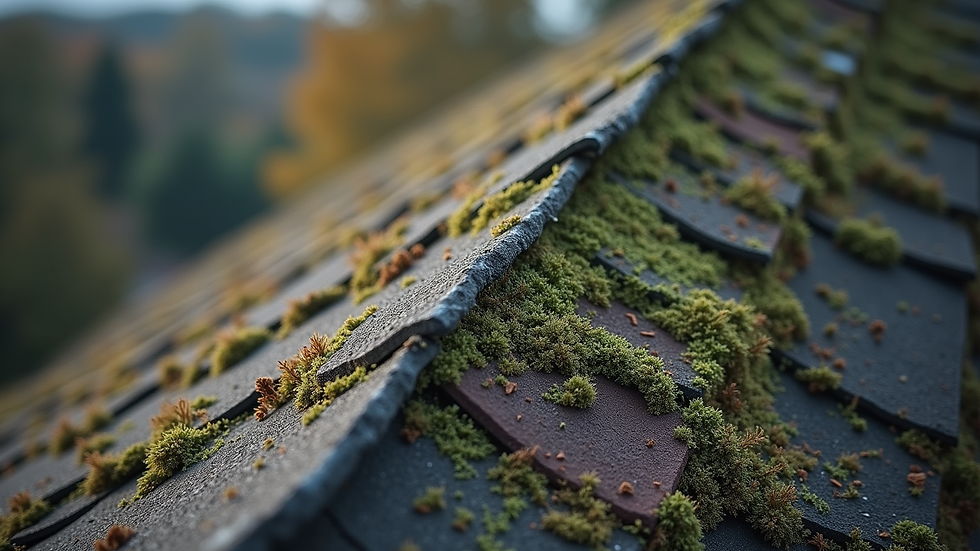
Moss or Algae Growth: While moss itself doesn’t always mean replacement, it can trap moisture and cause damage over time.
If you notice any of these signs, it’s time to get a professional inspection. Catching problems early can prevent costly repairs later.

How to Identify Roof Replacement Signs Early
Early detection of roof problems can save you a lot of trouble. Here’s how to spot issues before they get worse:
Regular Inspections: Check your roof at least twice a year, especially after storms.
Look for Shingle Damage: Walk around your home and look for missing or damaged shingles.
Check Your Attic: Look for signs of water damage or daylight coming through the roof.
Monitor Your Energy Bills: A sudden increase might mean your roof is not insulating properly.
Watch for Interior Damage: Peeling paint, mold, or damp spots inside your home can be linked to roof leaks.
By staying alert to these signs, you can decide the right time for a roof replacement. Remember, the sooner you act, the better.
What is the 25% Rule in Roofing?
One important guideline in roofing is the 25% rule. This rule helps you decide whether to repair or replace your roof.
The 25% rule says: if more than 25% of your roof is damaged, it’s usually better to replace the entire roof rather than patching it up. Here’s why:
Cost Efficiency: Repairing small areas can be cheaper, but if damage spreads, repairs add up quickly.
Roof Lifespan: A roof with extensive damage is less likely to last much longer.
Appearance: Patching large areas can look uneven and reduce your home’s curb appeal.
Warranty Issues: Some roofing warranties become void if repairs are done instead of replacement.
If you find that damage covers a quarter or more of your roof, it’s a strong sign that replacement is the best option.
Factors That Affect Roof Lifespan
Not all roofs age the same way. Several factors influence how long your roof will last:
Material Type: Asphalt shingles last about 20-25 years, while metal or tile roofs can last 50 years or more.
Climate: Harsh weather like hail, heavy rain, or extreme heat can shorten your roof’s life.
Installation Quality: A poorly installed roof will fail sooner.
Maintenance: Regular cleaning and repairs extend your roof’s lifespan.
Ventilation: Proper attic ventilation prevents heat and moisture buildup that damages shingles.
Knowing these factors helps you understand your roof’s condition better. It also guides you on when to schedule inspections and replacements.
How to Decide When to Replace Your Roof
Deciding when to get a new roof can feel overwhelming. Here’s a simple plan to help you make the right choice:
Inspect Your Roof Regularly: Look for the signs mentioned earlier.
Get a Professional Inspection: A roofing expert can assess damage and give you an honest opinion.
Compare Repair vs. Replacement Costs: Sometimes repairs are enough, but often replacement is more cost-effective.
Consider Your Home’s Value: A new roof can increase your home’s value and curb appeal.
Plan for the Future: If your roof is near the end of its lifespan, replacement is a smart investment.
If you want to learn more about when to get a new roof, this resource offers detailed guidance tailored to homeowners.
Protecting Your Home with a Timely Roof Replacement
Your roof protects everything inside your home. Ignoring roof problems can lead to leaks, mold, and structural damage. A timely roof replacement ensures:
Safety: Prevents collapse or serious damage.
Energy Efficiency: Keeps your home insulated and reduces energy bills.
Aesthetic Appeal: Enhances your home’s look and value.
Peace of Mind: No more worrying about leaks or damage during storms.
If you notice any roof replacement signs, don’t wait. Acting quickly protects your home and your investment.
Your roof is a critical part of your home’s defense. Knowing the signs of when to replace it helps you avoid costly repairs and keeps your home safe and comfortable. Keep an eye on your roof, schedule regular inspections, and trust your instincts. When the time comes, a professional roof replacement will give you peace of mind for years to come.


Comments